Contraceptive Implant in Wimbledon: A Simple, Long-Lasting Contraceptive Option
The contraceptive implant (Nexplanon) is one of the most effective forms of reversible contraception available, providing reliable protection against pregnancy for up to 5 years. Small, discreet and highly effective, it is a popular form of long-acting reversible contraception (LARC) for women looking for a “fit and forget” method that does not require daily attention.
Our Contraceptive Implant Services
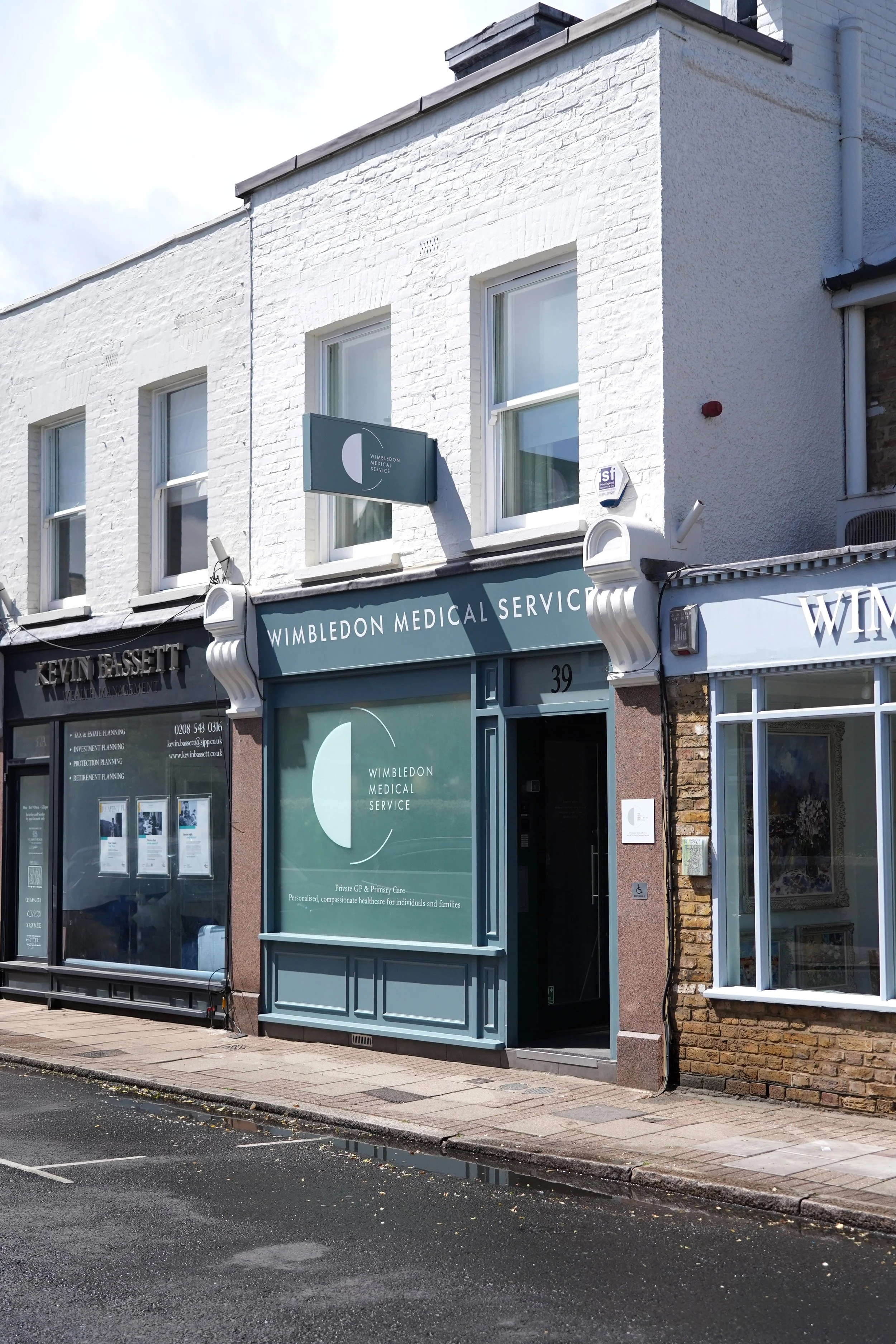
At our private GP clinic in Wimbledon Village, we provide expert contraceptive advice, Nexplanon implant fittings, removals and replacements in a professional and supportive environment, helping women across Wimbledon and South West London choose the contraceptive method that best suits their individual needs. The implant forms part of our wider family planning and women's health services.
What Is the Contraceptive Implant?
The implant is a small, flexible plastic rod, approximately the size of a matchstick, which is inserted just beneath the skin of the upper arm. The implant steadily releases the hormone progestogen (etonogestrel) into your bloodstream, which prevents the release of an egg each month (ovulation). It also thickens the cervical mucus, which makes it more difficult for sperm to move through the cervix, and thins the lining of the womb so a fertilised egg is less likely to implant itself. As a progestogen-only contraceptive, it is suitable for many women who cannot use oestrogen-containing methods.

What Are the Advantages?
Many women choose the implant
because it offers:
The implant is the most effective contraceptive method available, even more effective than surgical sterilisation. It is over 99% effective, which means that if 100 people used the implant for a year, less than 1 of them would become pregnant.
Long-term contraception for up to five years (the licence was recently extended from 3 years to 5 years in May 2026)
No need to remember a daily pill
Rapid return to fertility after removal, usually within a week
A discreet and convenient contraceptive option
Suitability for many women who cannot take oestrogen-containing contraception
Does not interrupt sex
Safe to use while breastfeeding
Periods can be lighter and less frequent, with some users having no bleeding at all while using the implant
It can help make periods less painful
It can be used at any age
You should be able to carry out normal activities after the contraceptive implant has been inserted
What Are the Disadvantages?
A quick procedure is needed to fit the implant, which includes a small injection of local anaesthetic to numb the area.
In rare cases, the area of skin where the implant has been fitted may become infected. If this happens, the area will be cleaned and may be treated with antibiotics.
Side effects may include headaches, acne, nausea, breast tenderness, changes in mood and loss of sex drive. These side effects are usually temporary.
It can cause irregular and/or prolonged bleeding for some users, although there are ways of settling this down. The implant is easy to remove if it is not the right choice.
Studies have shown a small increased risk of breast cancer in people who use hormonal contraception compared with those who do not. This increased risk disappears 10 years after you stop using the implant.
Some medications may affect the implant, especially drugs for epilepsy, TB and HIV, and also St John's Wort.
No protection against sexually transmitted infections.
Potential for rare risks during insertion, including deep insertion or damage to nerves and blood vessels.
A small scar is usually visible on the inner arm.
Is the Contraceptive Implant Right for Me?
The contraceptive implant is suitable for many women, but the best contraceptive choice depends on your medical history, family history, lifestyle and personal preferences. It may also help reduce menstrual symptoms such as heavy or painful periods, and can be considered alongside the management of conditions such as PCOS or endometriosis, or when contraception is needed during perimenopause.
During your contraceptive consultation, we will discuss:
Your current contraceptive method
Future pregnancy plans and fertility planning
Menstrual symptoms and bleeding patterns
Any medical conditions or medications
Your family history
Previous experiences with hormonal contraception
Our aim is to help you make an informed decision through shared decision making, ensuring the method you choose aligns with your individual health needs and lifestyle.
How the Implant Compares With Other Contraceptive Methods
The implant is one of several contraceptive choices we can discuss as part of personalised contraceptive counselling. Alternatives include the contraceptive coil (IUD), including the hormonal coil (IUS) and the copper coil, the combined pill and progestogen-only pill, the contraceptive injection, the vaginal ring and the contraceptive patch. During your consultation, we will help you compare these long-acting and short-acting options and choose the method that is right for you.
What Happens During the Procedure?
Insertion of the implant is a quick, same-day procedure performed under local anaesthetic. Once the area has been numbed, the implant is placed just beneath the skin of the upper arm using a specialised applicator.
Most patients are surprised by how straightforward the procedure is, and many experience little more than mild discomfort.
Afterwards, a small dressing and pressure bandage is applied, and you can usually return to normal activities the same day.
After insertion, the implant takes 7 days to start working.
Implant Removal and Replacement
One of the advantages of the implant is its flexibility. If you decide you would like to become pregnant, wish to change contraceptive methods, or have reached the end of the five-year period, the implant can be removed quickly under local anaesthetic. We can also remove or replace implants that were originally fitted elsewhere.
If continued contraception is required, a replacement implant can often be inserted during the same appointment.
Expert Contraceptive Care in Wimbledon
Choosing contraception is a personal decision, and we believe you should have access to clear information, expert advice and compassionate, evidence-based care. Our experienced clinicians take the time to answer your questions, address any concerns and ensure you feel comfortable throughout the process.
Whether you are considering the implant for the first time or looking to replace an existing implant, our team in Wimbledon is here to help you make an informed and confident choice.

Frequently Asked Questions
-
The implant is over 99% effective, making it one of the most reliable forms of contraception available, even more effective than surgical sterilisation.
-
The implant provides long-term contraception for up to 5 years, after which it can be removed or replaced.
-
The implant is fitted using a small injection of local anaesthetic to numb the area, so most patients feel little more than mild discomfort during this quick procedure.
-
Yes. The implant can be removed at any time under local anaesthetic, and fertility usually returns within about a week.
-
Yes. A contraceptive consultation allows us to review your medical history and discuss your options, so the method you choose is safe and suitable for you.
-
Yes. We provide contraceptive implant removal and replacement in Wimbledon, including implants that were originally fitted at another clinic.
-
Our clinic is in Wimbledon Village, with convenient access for patients across South West London.
Book a Contraceptive Implant Appointment in Wimbledon
If you are considering the contraceptive implant, our experienced private GPs in Wimbledon offer personalised, reassuring advice and care, from your first consultation through to fitting, removal or replacement.
Contact our team today to book a contraceptive implant consultation and discuss the option that best suits you.