

Low Cholesterol Diet: How to Lower Your Cholesterol with Food
If you have been told you have high cholesterol, you may be wondering what to eat, which foods to limit and whether you need to give up your favourite meals. The good news is that small, sustainable changes can help improve your cholesterol levels and support your heart health. You do not need to follow a restrictive diet or eliminate all fat.
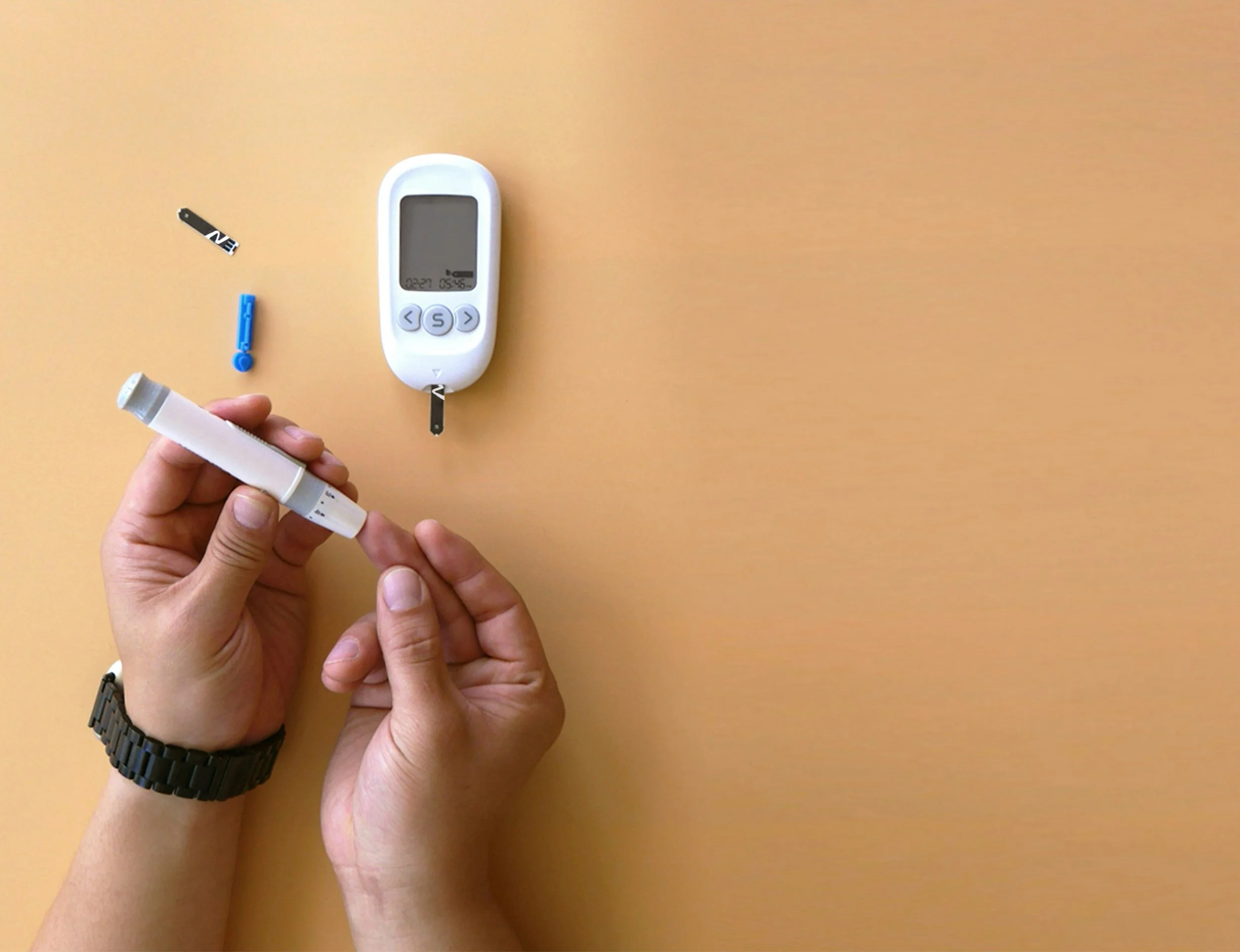
Insulin resistance diet: a dietitian's guide to eating to improve insulin sensitivity
If you have been told you have insulin resistance, prediabetes or type 2 diabetes, you may be wondering what to eat and whether you need to cut out carbohydrates or sugar completely.
IBS Diet: A Registered Dietitian’s Guide to Eating for a Calmer Gut
If you live with irritable bowel syndrome (IBS), you’ll know how frustrating digestive symptoms can be. Bloating after meals, abdominal discomfort, constipation, diarrhoea or suddenly needing to find a toilet can affect everything from your working day to social plans.

The Menopause Diet: A Dietitian’s Guide to Eating Well Through Perimenopause and Menopause
If you’re going through perimenopause or menopause, you may have noticed changes in your sleep, energy, mood or body shape. Perhaps you’re experiencing hot flushes, finding it harder to manage your weight, or simply not feeling quite like yourself.
With so much advice online about what you should and shouldn’t eat, knowing where to start can feel overwhelming.
Menopause Blood Tests: What They Show and When You Need One
If you're reading this, chances are something in your body has started to feel different. Perhaps your periods have become unpredictable, you're waking at 3am drenched in sweat, or your mind feels foggy in a way that isn't like you. You may have found yourself wondering: Is this menopause? Can a blood test tell me?
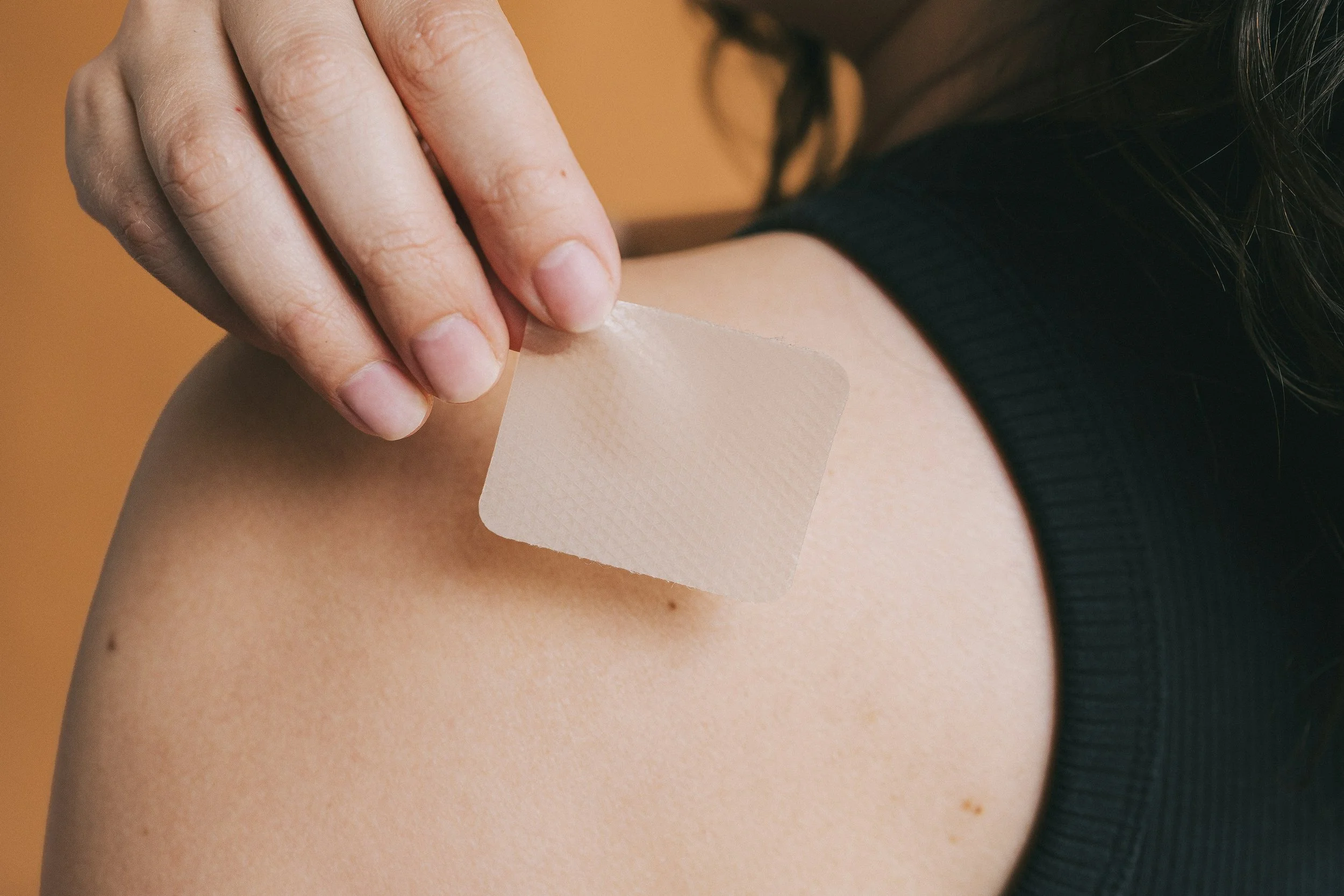
HRT Patches vs Gel vs Spray: Choosing Your Oestrogen
Deciding to start HRT can feel like a big step, and then you're handed another question: patch, gel or spray? If you've ever stood in front of a list of brand names and dosages feeling overwhelmed, please know that this is completely normal.
Perimenopause and Weight Gain: Why Your Body May Be Changing
Oestrogen levels fluctuate considerably during perimenopause before eventually declining. These hormonal changes are associated with changes in body composition and fat distribution.

Perimenopause and Brain Fog: How Nutrition Can Support Your Brain
Finding the right word, walking into a room and forgetting why, struggling to concentrate during a meeting or feeling mentally exhausted by the end of the day - brain fog can be a debilitating part of perimenopause.

Perimenopause, Oestrogen and Bowel Changes: What You Need to Know
Perimenopause can bring a surprising number of changes to the body, and digestion is one area that is often overlooked. Alongside more familiar symptoms such as hot flushes, sleep disturbance and changes in periods, some women notice constipation, bloating, wind or changes in their usual bowel pattern.
Although digestive symptoms can have many causes, fluctuating hormones during perimenopause may play a role.
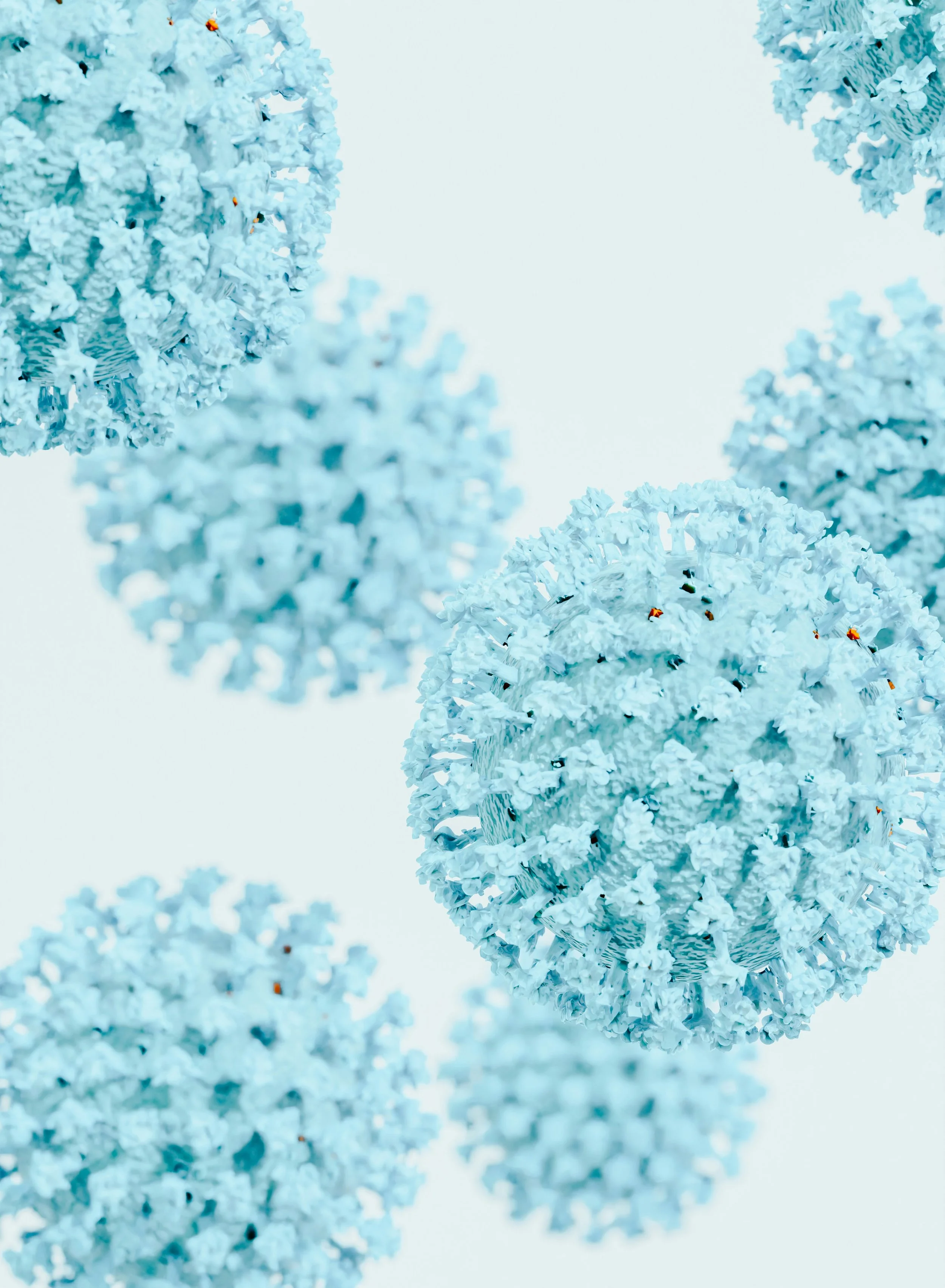
COVID-19 in Autumn 2026: What's Circulating and How to Spot It
If you've had a run of sore throats, headaches and that heavy, run-down feeling this month, you're not imagining it - COVID-19 is very much still with us, and it's worth knowing what to look out for as the weather turns.
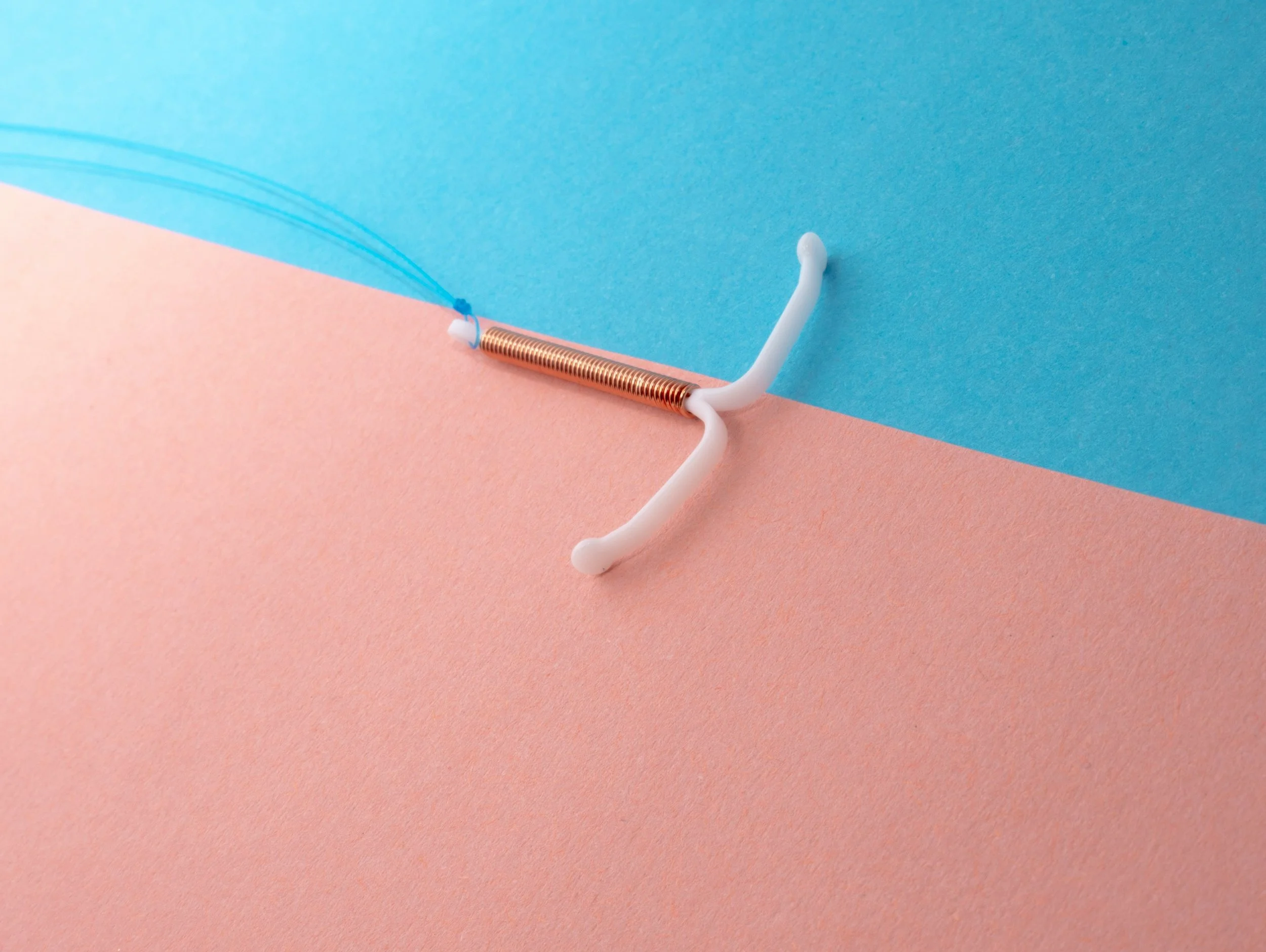
The Hormonal Coil and Menopause: How Can It Be Used as Part of HRT?
For women approaching or going through menopause, the hormonal coil can sometimes play a useful role in hormone replacement therapy (HRT), as well as providing reliable contraception and helping to manage heavy or troublesome periods.
If you already have a hormonal coil, or are considering having one fitted, you may be wondering how it fits alongside HRT and whether it could be a suitable option for you.

The Hormonal Coil and Endometriosis: Can a Coil Help With Symptoms?
Endometriosis can cause painful periods, persistent pelvic pain and heavy bleeding, and its symptoms can have a significant effect on day-to-day life.
Although there is currently no single treatment that is right for everyone with endometriosis, hormonal treatments are frequently used to help control symptoms.
One option that may be considered is the hormonal coil, also known as an intrauterine system or IUS.

Migraines after 40: What’s the link with perimenopause?
Migraines affect around 1 in 7 people and are three times more common in women than men. For many women, migraines can worsen during perimenopause, alongside symptoms such as night sweats, mood swings, and hot flushes. Dr Lowri Bailey, General Practitioner, explains why migraines occur during this stage and how they can be managed.

Looking after your heart: A GP’s practical guide to lifelong heart health
Your heart is one of the most vital organs in your body, working continuously to circulate blood, oxygen, and nutrients. Despite this, heart health is often overlooked until problems arise. In general practice, it is common to see patients who are unaware they have significant risk factors for cardiovascular disease.