
Low Cholesterol Diet: How to Lower Your Cholesterol with Food
How can your diet help lower cholesterol?
If you have been told you have high cholesterol, you may be wondering what to eat, which foods to limit and whether you need to give up your favourite meals.
The good news is that small, sustainable changes can help improve your cholesterol levels and support your heart health. You do not need to follow a restrictive diet or eliminate all fat.
As a registered dietitian, my advice is to focus on replacing saturated fats with unsaturated fats, eating more fibre and choosing a balanced, heart-healthy diet.

The best foods to help lower cholesterol
Swap saturated fats for unsaturated fats
Saturated fat can raise LDL cholesterol. It is found in foods such as butter, ghee, fatty and processed meats, pastries, biscuits, cakes and some full fat dairy products.
Try swapping:
Butter and ghee for olive or rapeseed oil.
Fatty or processed meats for fish, skinless poultry, beans or lentils.
Cream and sour cream for plain yoghurt.
Shop brought pastries and biscuits for fruit, oats, homemade cakes and biscuits or a small handful of unsalted nuts.
You do not need to avoid all fat. Unsaturated fats, found in olive oil, nuts, seeds, avocados and oily fish, can be part of a heart-healthy eating pattern.
Eat more soluble fibre
Soluble fibre can help reduce the amount of cholesterol absorbed from your digestive system.
Good sources include:
Oats and barley: Try porridge, overnight oats or pearl barley in soups.
Beans, lentils and chickpeas: Add them to soups, salads, curries and stews.
Fruit and vegetables: Choose a variety of fresh, frozen or tinned options.
Wholegrains: Swap refined cereals and grains for higher-fibre alternatives where possible.
Oats and barley contain a soluble fibre called beta-glucan. Around 3g of oat or barley beta-glucan daily can help maintain normal blood cholesterol levels.

Include nuts, seeds and oily fish
Unsalted nuts and seeds provide unsaturated fats, fibre and other nutrients. Oily fish, such as salmon, sardines, mackerel and trout, provide omega-3 fats that support heart health.
These foods can replace options higher in saturated fat. Although omega-3 fats have important health benefits, they are not a substitute for reducing saturated fat when your aim is to lower LDL cholesterol.
What about eggs, dairy and dietary cholesterol?
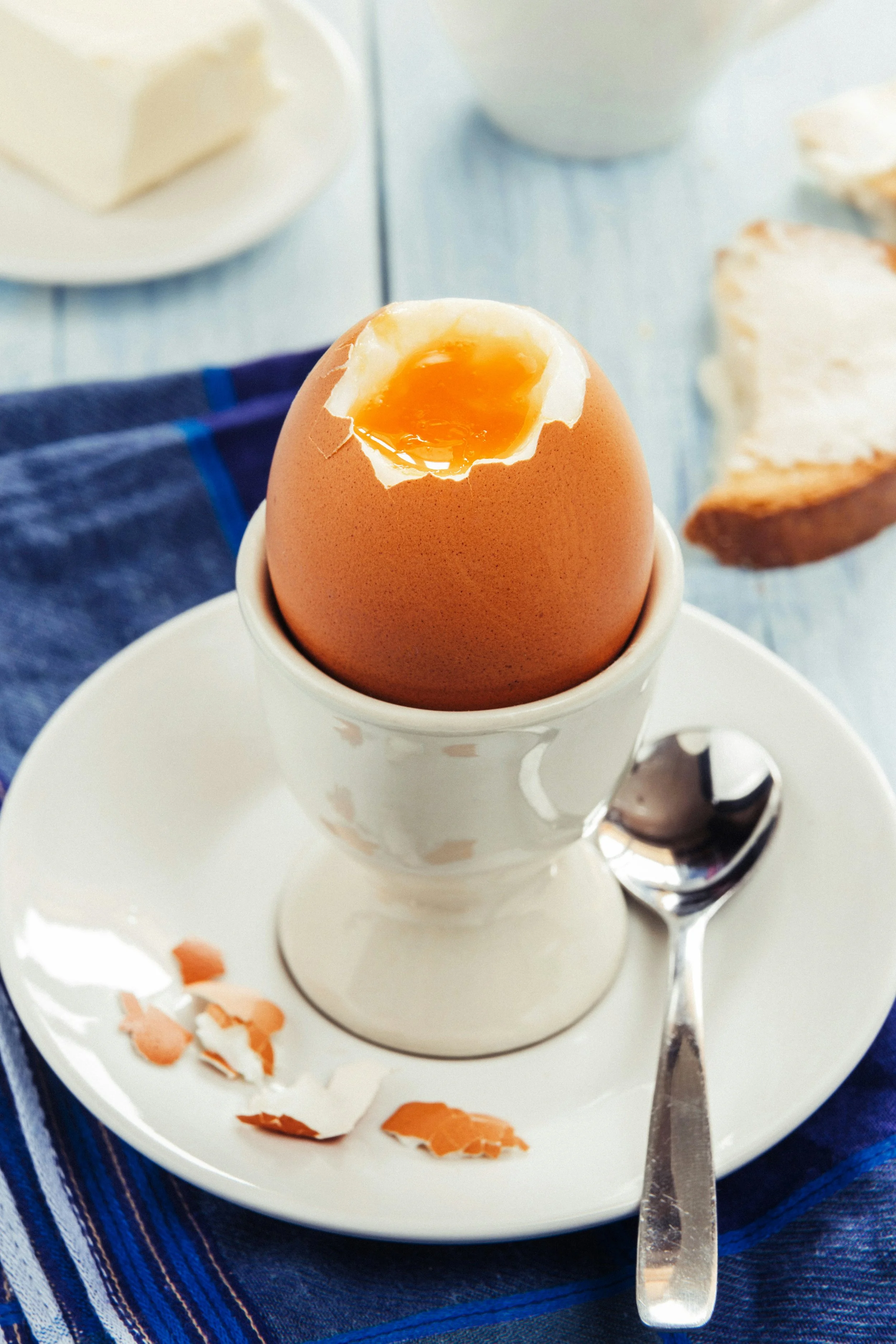
You do not usually need to eliminate eggs or all dairy products to lower your cholesterol. For most people, the overall balance of their diet, particularly saturated fat intake, is more important than focusing on individual foods in isolation.
Choose foods such as eggs, plain yoghurt and milk in the context of a balanced diet. If you eat dairy regularly, lower-fat options may help reduce saturated fat intake.
Simple heart-healthy habits
Food is an important part of managing cholesterol, but your overall lifestyle matters too.
Eat a variety of plant foods: Aim for at least five portions of fruit and vegetables a day.
Choose higher-fibre carbohydrates: Include oats, wholemeal bread, wholegrains and pulses.
Be physically active: Find activities you enjoy and build movement into your routine.
Avoid smoking: Stopping smoking benefits your cardiovascular health.
Consider alcohol intake: Keep within UK low-risk drinking guidance; drinking less can offer additional benefits.
A Mediterranean-style eating pattern is one practical way to bring these habits together.
Can diet alone lower high cholesterol?
Dietary changes can make a meaningful difference, but the effect varies between individuals. Genetics, age, medical conditions and other factors also influence cholesterol levels.
Some people, particularly those with very high cholesterol or an inherited condition such as familial hypercholesterolaemia, need medication as well as dietary changes. Statins and other cholesterol-lowering medicines can reduce cardiovascular risk when prescribed appropriately.
Do not stop prescribed cholesterol medication because you have changed your diet. A GP can advise whether your treatment needs reviewing and when to repeat your blood tests.
When should you seek advice?
If you have high cholesterol, a strong family history of early heart disease or concerns about your cardiovascular risk, speak to one of our GPs. They can review your cholesterol results and assess whether further tests or treatment are appropriate.
At Wimbledon Medical Service, our GPs can help you understand your results and discuss your options. As a registered dietitian I can also help you make realistic, personalised changes to your eating habits.
Contact Wimbledon Medical Service to discuss your cholesterol and how to support your long-term heart health.
References
NHS. High cholesterol.
British Heart Foundation. Cholesterol-lowering foods.
British Heart Foundation. Lower your cholesterol: food, exercise and common questions.
NICE. Cardiovascular disease: risk assessment and reduction, including lipid modification (NG238).
Medical disclaimer: This article is for general educational purposes and does not replace individual medical advice, diagnosis or treatment. Cholesterol management depends on your personal health and cardiovascular risk. Please consult a qualified healthcare professional for advice tailored to your circumstances.