
Insulin resistance diet: a dietitian's guide to eating to improve insulin sensitivity
What should you eat if you have insulin resistance?
If you have been told you have insulin resistance, prediabetes or type 2 diabetes, you may be wondering what to eat and whether you need to cut out carbohydrates or sugar completely.
The good news is that you do not need a special diet or a list of forbidden foods. A balanced, sustainable eating pattern can help support blood glucose management and metabolic health.
As a registered dietitian, I recommend focusing on the quality of your food, fibre intake, portion sizes and regular physical activity rather than following restrictive diets or looking for quick fixes.

What is insulin resistance?
Insulin is a hormone produced by the pancreas that helps glucose move from your bloodstream into your cells, where it can be used for energy.
With insulin resistance, the body’s cells respond less effectively to insulin. The pancreas may initially produce more insulin to compensate, but over time it may struggle to keep blood glucose within the normal range.
Insulin resistance is associated with an increased risk of prediabetes and type 2 diabetes, although not everyone with insulin resistance will develop diabetes.
Prediabetes: Blood glucose is higher than normal but below the diagnostic threshold for type 2 diabetes. In the UK, an HbA1c of 42–47 mmol/mol indicates a high risk of developing type 2 diabetes.
Type 2 diabetes: Blood glucose is persistently raised. An HbA1c of 48 mmol/mol or above may indicate diabetes and usually requires confirmation with appropriate testing.
Prediabetes often has no obvious symptoms, so testing is important if you are at increased risk.
The best foods for insulin sensitivity
There is no single food that reverses insulin resistance. Instead, you need to eat foods that your body has to work harder to breakdown to slow the release of glucose. This is done by aiming for an overall eating pattern rich in fibre, vegetables, wholegrains and minimally processed foods.
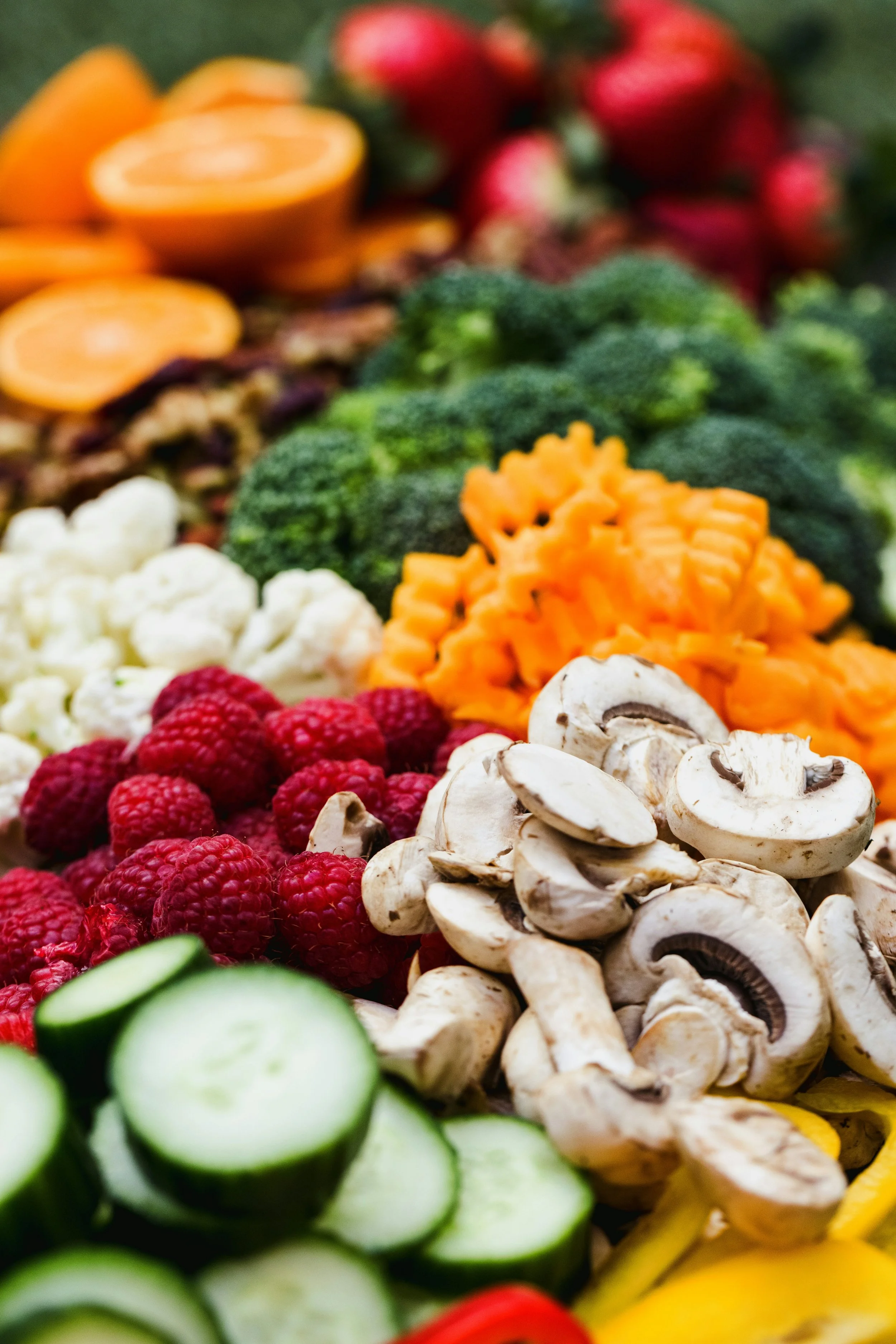
Vegetables and fruit: Aim for a variety, including leafy greens, broccoli, peppers, berries and apples. Whole fruit is generally preferable to juice.
Wholegrains: Choose oats, wholemeal bread, brown rice and wholegrain pasta more often. These usually provide more fibre than refined alternatives.
Beans and pulses: Lentils, chickpeas and beans provide fibre and plant protein, and can help make meals more satisfying.
Protein foods: Include options such as fish, eggs, chicken, tofu, beans and unsweetened yoghurt.
Unsaturated fats: Olive oil, nuts, seeds and oily fish can form part of a heart-healthy eating pattern.
A Mediterranean-style diet is one practical option, combining vegetables, fruit, pulses, wholegrains, nuts, olive oil and fish.
Do you need to cut out carbohydrates or sugar?
No. Carbohydrates affect blood glucose, but you do not need to eliminate them to manage insulin resistance or type 2 diabetes.
The type, amount and combination of carbohydrate-containing foods can all influence your blood glucose response. Try to:
Choose higher-fibre carbohydrates, such as oats, wholegrains and pulses.
Pair carbohydrates with protein, fibre or unsaturated fats to make meals more satisfying.
Reduce sugary drinks and have sweets, cakes and biscuits less often.
Choose whole fruit rather than fruit juice most of the time.
You do not need to avoid every food containing sugar or follow a very low-carbohydrate diet. If you take insulin or certain diabetes medicines, substantial changes to your carbohydrate intake may affect your blood glucose and medication requirements. Discuss these changes with your diabetes team.
Simple habits that can make a difference
Diet is important, but it is only one part of improving metabolic health.
Be mindful of portions: Choose amounts that suit your appetite, activity levels and health goals.
Move regularly: Walking, cycling, swimming and other activities you enjoy can improve insulin sensitivity. Particularly a post meal potter for 10-20 mins.
Include strength exercise: Building and maintaining muscle supports glucose levels and overall health.
Prioritise sleep: Poor sleep can have a negative effect on appetite, energy and blood glucose regulation.
Seek support with weight management if appropriate: For some people living with overweight, gradual weight loss can improve insulin sensitivity and reduce the risk of type 2 diabetes. However, weight loss is not necessary or appropriate for everyone.
Small changes that you can maintain are generally more useful than short-term, restrictive diets.
Can diet reverse insulin resistance or prediabetes?
Lifestyle changes can be an integral part of treatment to improve insulin sensitivity and, for some people, help blood glucose return to the normal range. Some people with type 2 diabetes can also achieve remission.
If you already have diabetes, continue your prescribed treatment and attend your reviews. Do not stop or adjust medication without advice from your diabetes team.
When should you seek advice?
If you are concerned about insulin resistance, have risk factors for type 2 diabetes or have been told your blood glucose is raised, arrange an appointment with one of our GPs to discuss testing and support.
At Wimbledon Medical Service, our GPs can help assess your risk, explain your blood results and discuss appropriate next steps. As a registered dietitian I can provide personalised nutrition advice to help you make realistic changes without unnecessary restrictions.
Contact Wimbledon Medical Service to discuss your metabolic health and the support available to you.
References
Diabetes UK. Healthy eating tips for prediabetes and lowering type 2 risk.
Diabetes UK. What is prediabetes?.
Diabetes UK. Eating with type 2 diabetes.
Medical disclaimer: This article is for general educational purposes and does not replace individual medical advice, diagnosis or treatment. Dietary needs vary, particularly if you take medication for diabetes. Consult your GP, diabetes team or a registered dietitian for advice tailored to your circumstances.