
Perimenopause and Weight Gain: Why Your Body May Be Changing
Many women notice changes in their weight or body shape during their late 30s, 40s and 50s. Clothes may fit differently, weight may become harder to manage, or you may notice more body fat around your waist than you had previously.
If this is happening to you, you are not imagining it. Perimenopause can be a time of significant changes in body composition, although weight gain is not caused by hormones alone.
Research suggests that the menopause transition is associated with changes in where body fat is stored, particularly an increase in abdominal fat and a reduction in lean muscle mass. Ageing, changes in activity, time availability during this phase of life, sleep, appetite and overall energy balance also contribute.
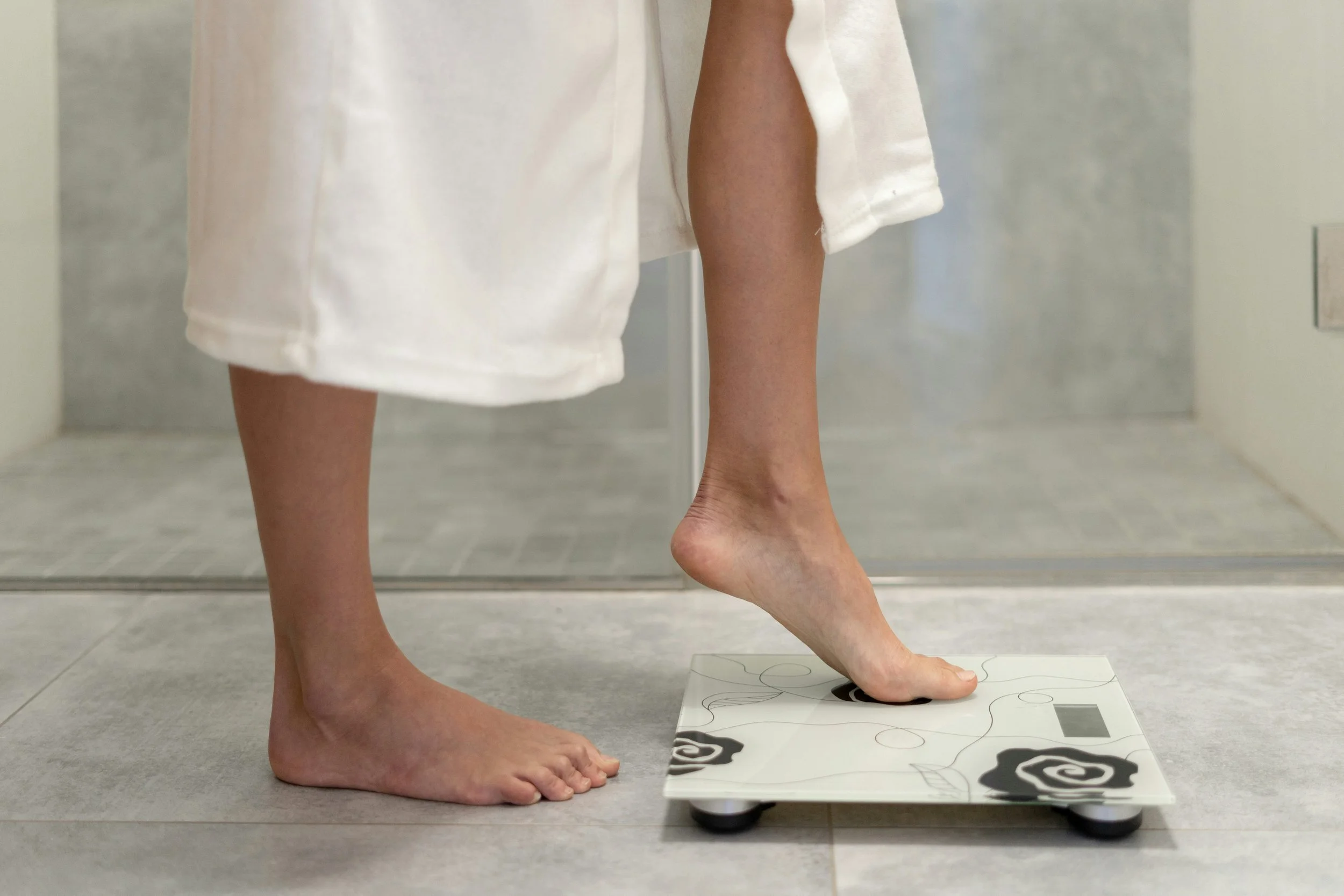
Why does weight change during perimenopause?
Oestrogen levels fluctuate considerably during perimenopause before eventually declining. These hormonal changes are associated with changes in body composition and fat distribution.
At the same time, midlife often brings changes to everyday life. You may be less active than you were in your 20s or 30s, have less time for exercise, experience poorer sleep or find that stress and appetite have changed.
Muscle mass also gradually declines with age. Because muscle is metabolically active tissue, maintaining muscle becomes increasingly important for physical health, weight management, strength and healthy ageing.
This means that the number on the scales is only part of the picture. Changes in body composition, muscle mass, fitness and overall metabolic health can also be important.
What can you do about perimenopause weight gain?
Perimenopause does not mean that you need to go on a restrictive diet.
Instead, focusing on your overall nutritional pattern can help support your health and body composition during midlife.
Prioritise protein
Including a source of protein at meals can help support muscle maintenance. Good options include eggs, fish, chicken, lean meat, greek yoghurt, cottage cheese, tofu, beans and lentils.
Protein works particularly well alongside resistance exercise, which is important for maintaining muscle strength as we age.
Don't cut out carbohydrates
Carbohydrates are an important source of energy and provide valuable nutrients and fibre. Rather than removing them, choose mainly higher-fibre options such as oats, wholegrain bread, brown rice, potatoes, beans and pulses.
Pairing carbohydrates with protein, vegetables or healthy fats can also help create satisfying, balanced meals.
Include plenty of plants
Vegetables, fruit, wholegrains, pulses, nuts and seeds provide fibre and a wide range of vitamins, minerals and plant compounds.
A varied diet is more useful than focusing on individual “superfoods” or following a highly restrictive menopause diet.
Keep moving
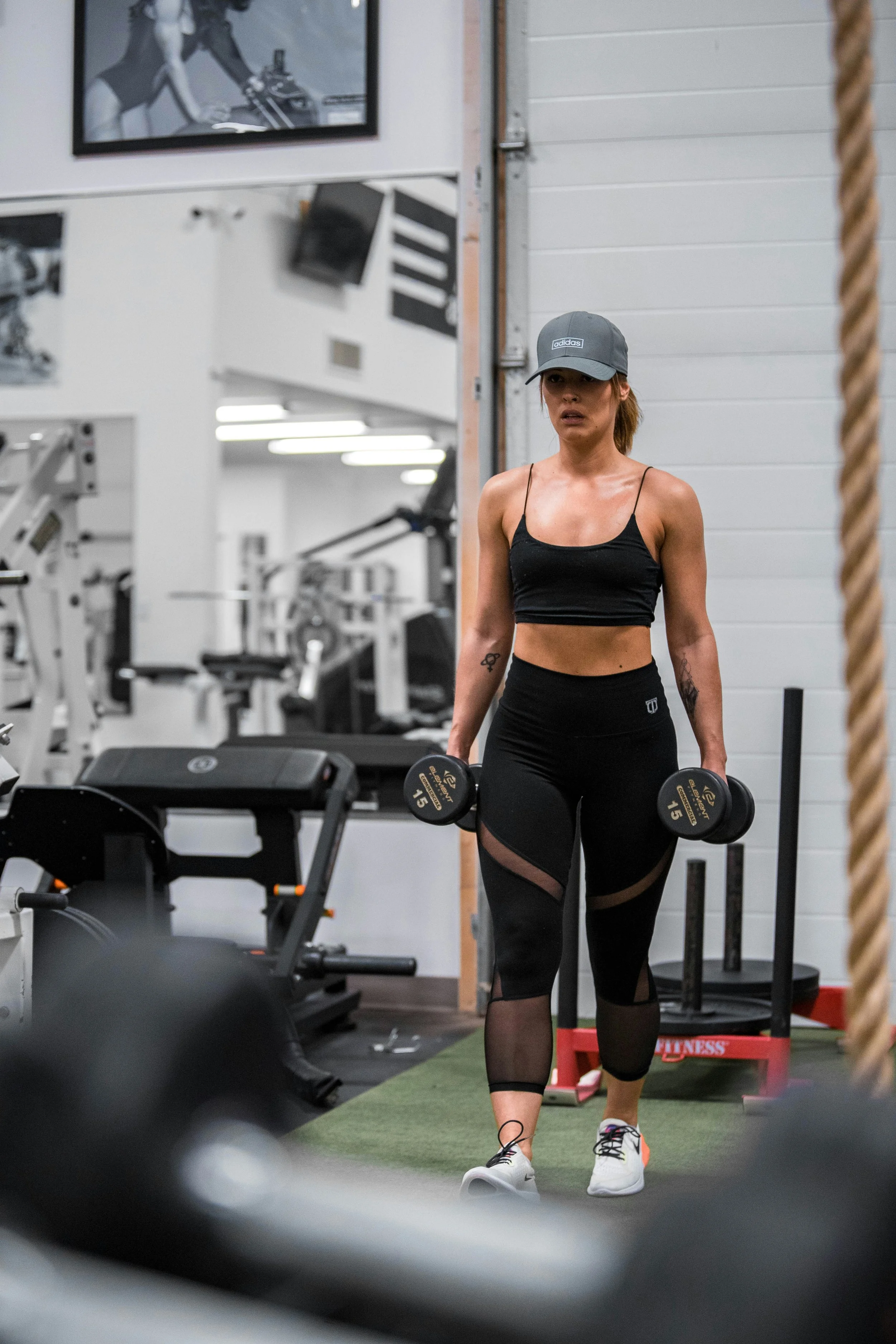
Regular physical activity is an important part of healthy ageing. The NHS recommends exercise during perimenopause, with particular emphasis on weight-bearing and strength-based activity to support bones and muscle.
Walking, resistance training, Pilates, running, swimming or other activities you enjoy can all contribute to a more active lifestyle.
Why see a dietitian for perimenopause weight gain?
Weight can be a particularly sensitive subject, and generic weight-loss advice does not always take into account the physical and hormonal changes occurring during midlife.
A registered dietitian can provide personalised, evidence-based nutrition advice rather than prescribing a one-size-fits-all “menopause diet”.
A dietitian can help you:
Understand how your diet may be affecting your weight, appetite and energy
Maintain muscle while supporting changes in body composition
Ensure you are eating enough protein, fibre and essential nutrients
Review your diet if your appetite or eating patterns have changed
Support digestive symptoms such as bloating or constipation
Consider bone and cardiovascular health alongside weight
Identify whether restrictive dieting may be making things harder
Develop realistic changes that work with your lifestyle
Importantly, nutrition support does not have to focus solely on losing weight. For many women, the goal may instead be feeling stronger, improving energy, supporting metabolic health and feeling more comfortable in their body.
A more sustainable approach to weight in midlife
There is no single diet that prevents perimenopause weight gain. Evidence suggests that approaches combining the right nutrition for your body and hormones with physical activity can help support healthy body composition.
Perimenopause can be an opportunity to shift the focus away from repeated dieting and towards long-term health, strength and nourishment for your second half of life.
If you are experiencing unexpected weight or body-shape changes, persistent fatigue, significant changes in appetite or other symptoms, speak with your GP. Conditions such as thyroid problems and some medications can also affect weight and should not automatically be attributed to perimenopause.
References
Davis SR, et al. Understanding weight gain at menopause. Climacteric. 2012.
Juppi HK, Karppinen JE, Laakkonen EK. Menopause and Body Composition: A Complex Field. Seminars in Reproductive Medicine. 2025.
Lovejoy JC, et al. Association of Mid-Life Changes in Body Size, Body Composition and Obesity Status with the Menopausal Transition. 2016.
Jull J, et al. Lifestyle interventions targeting body weight changes during the menopause transition: a systematic review. Journal of Obesity. 2014.
NHS. Things you can do to help menopause and perimenopause symptoms. Updated 2026.