
The Hormonal Coil and Endometriosis: Can a Coil Help With Symptoms?
Endometriosis can cause painful periods, persistent pelvic pain and heavy bleeding, and its symptoms can have a significant effect on day-to-day life.
Although there is currently no single treatment that is right for everyone with endometriosis, hormonal treatments are frequently used to help control symptoms.
One option that may be considered is the hormonal coil, also known as an intrauterine system or IUS.
What is endometriosis?
Endometriosis is a condition in which tissue similar to the lining of the womb grows elsewhere in the body.
It is most commonly found within the pelvis, including around the ovaries, fallopian tubes and the tissue lining the pelvis.
Symptoms vary considerably from person to person, but can include:
Very painful periods
Pelvic or lower abdominal pain
Pain during or after sex
Pain when opening the bowels or urinating, particularly around your period
Heavy periods
Fatigue
Difficulty becoming pregnant
Some people experience relatively mild symptoms while for others the condition can have a major impact on their work, relationships and quality of life.
Importantly, the severity of someone's pain does not necessarily correspond with the extent of their endometriosis.
How can the hormonal coil help with endometriosis?
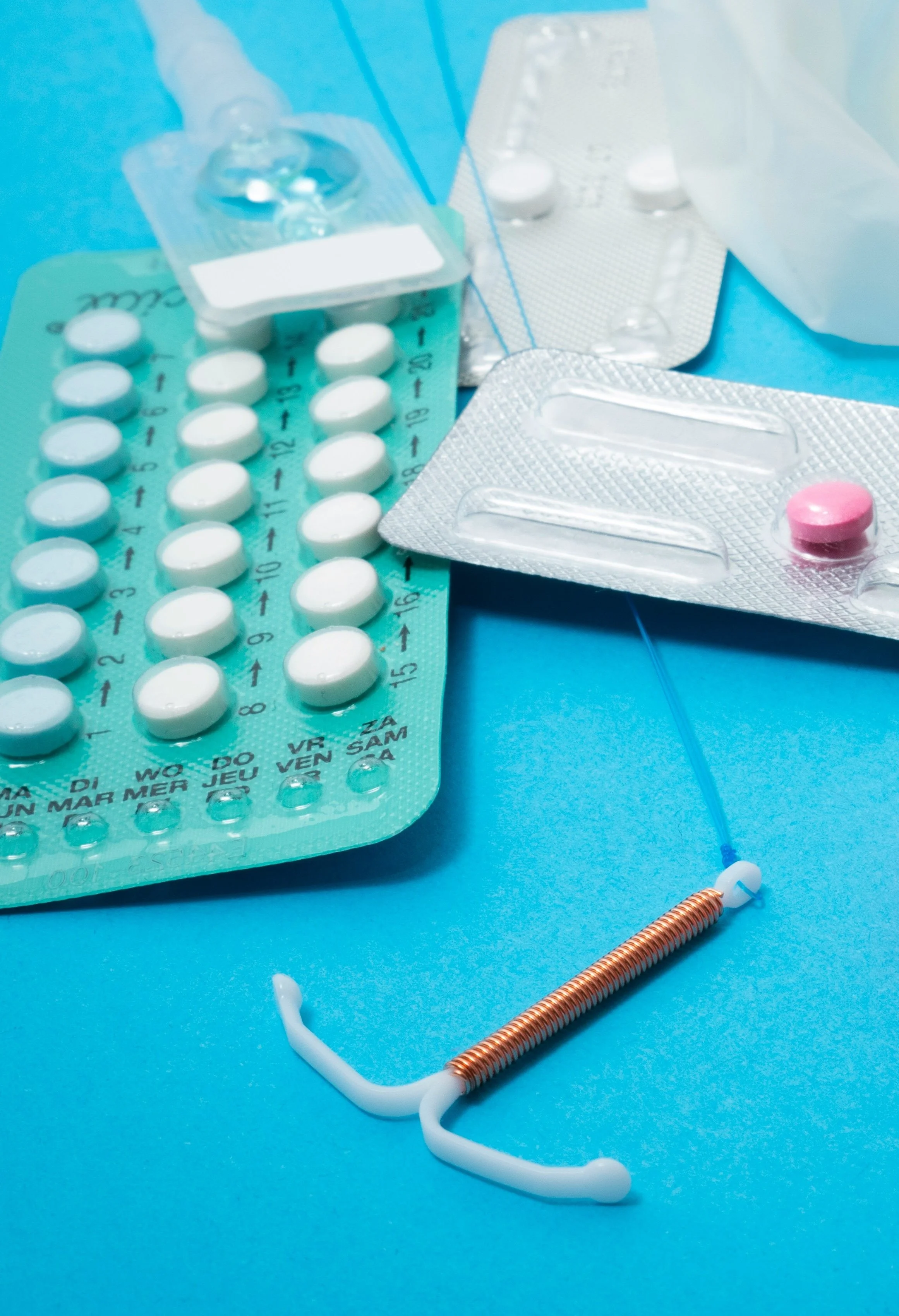
The hormonal coil releases a progestogen called levonorgestrel directly into the womb.
Progestogens can help suppress the hormonal stimulation associated with the menstrual cycle and reduce the build-up of the womb lining.
For women with endometriosis, this may help reduce:
Painful periods
Heavy menstrual bleeding
Pelvic pain associated with periods
Many women also find that their periods become much lighter or stop altogether while using a hormonal coil.
NICE recommends discussing hormonal treatments, including progestogens, with women who have suspected, confirmed or recurrent endometriosis because they can reduce endometriosis-associated pain.
Does the coil get rid of endometriosis?
No. The hormonal coil does not remove existing areas of endometriosis.
Instead, it is used to help control symptoms.
This is an important distinction because endometriosis is a complex condition and treatment needs to be tailored to the individual.
Some women manage their symptoms effectively with hormonal treatment alone, while others may require additional pain relief, further investigation, specialist gynaecological assessment or surgery.
Do you need a confirmed diagnosis of endometriosis before trying hormonal treatment?
Not always.
Historically, endometriosis could take many years to diagnose, partly because diagnosis can sometimes only be made by having a laparoscopic procedure.
Current NICE guidance recognises that treatment and investigation can take place alongside one another. Hormonal treatment can therefore be offered to women with suspected as well as confirmed endometriosis.
If your symptoms suggest endometriosis, your doctor may recommend further investigation such as a pelvic ultrasound alongside discussing treatment.
It is also important to know that a normal ultrasound does not completely rule out endometriosis.
What are the advantages of the hormonal coil?
For suitable patients, there are several potential benefits.
Lighter and less painful periods
Hormonal coils frequently reduce menstrual bleeding and cramping, which can be particularly useful for women whose endometriosis symptoms are at their worst during menstruation.
Long-term treatment
Once fitted, the coil works continuously without needing to remember a daily tablet.
Effective contraception
A hormonal coil is also a highly effective form of contraception.
This may make it particularly convenient for women who want both symptom management and pregnancy prevention. An IUS is more than 99% effective at preventing pregnancy.
Fertility returns after removal
Using hormonal treatment for endometriosis does not permanently affect future fertility.
Following removal of an IUS, fertility returns to its previous level.
Are there any disadvantages?
A hormonal coil will not suit everybody.
Irregular bleeding and spotting are common during the first few months after insertion. Some people also experience cramping after fitting, and hormonal side effects can occur.
It may also take several months to judge how much improvement there has been in endometriosis-related symptoms.
If symptoms continue to significantly affect your life despite treatment, further assessment is important rather than simply continuing with a treatment that is not working.
What if I am trying to become pregnant?
Hormonal treatments, including the coil, prevent pregnancy while they are being used and are therefore not appropriate as a treatment strategy while actively trying to conceive.
If you have endometriosis and fertility is a current or future priority, this should form part of the discussion about your treatment options.
NICE recommends that endometriosis treatment takes account of an individual's symptoms, preferences and priorities, including fertility plans.
Could my symptoms be endometriosis?
Endometriosis should be considered if you regularly experience severe period pain or pelvic pain, particularly if symptoms interfere with normal activities.
Pain during sex, cyclical bowel or bladder symptoms and fertility difficulties can also be associated with the condition.
Persistent or severe symptoms deserve assessment. You do not need to simply accept very painful periods as normal.
Endometriosis assessment and coil fitting in Wimbledon
At Wimbledon Medical Service, our GPs with expertise in women's health can assess symptoms including painful or heavy periods, pelvic pain and suspected endometriosis.
Where appropriate, we can arrange investigations such as pelvic ultrasound and discuss treatment options, including hormonal contraception and the hormonal coil. If further specialist assessment is required, we can arrange onward referral.
If a hormonal coil appears suitable, we offer a dedicated initial coil assessment followed by a separate fitting appointment with an experienced clinician.
If you are experiencing possible symptoms of endometriosis, have already been diagnosed and would like to discuss symptom management, or are considering a hormonal coil, you can book a gynaecology consultation at our Wimbledon Village clinic. Please click below to find out more about our gynaecology services.