
The Hormonal Coil and Menopause: How Can It Be Used as Part of HRT?
For women approaching or going through menopause, the hormonal coil can sometimes play a useful role in hormone replacement therapy (HRT), as well as providing reliable contraception and helping to manage heavy or troublesome periods.
If you already have a hormonal coil, or are considering having one fitted, you may be wondering how it fits alongside HRT and whether it could be a suitable option for you.

What is the hormonal coil?
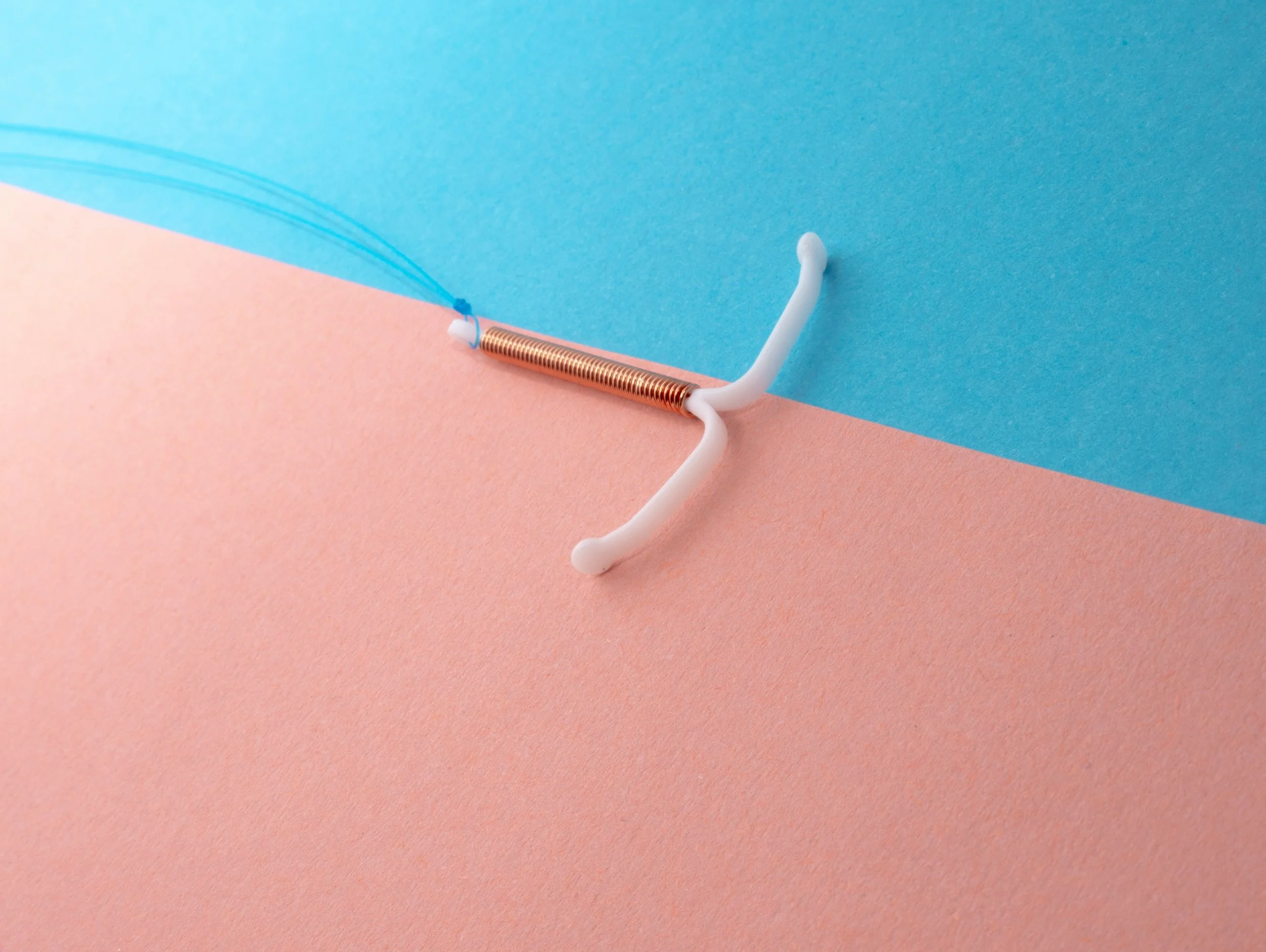
The hormonal coil, also known as an intrauterine system (IUS), is a small T-shaped device placed inside the womb.
It gradually releases a form of the hormone progestogen called levonorgestrel directly into the womb. Depending on the type of coil and why it is being used, it can provide contraception for several years.
Hormonal coils can also make periods considerably lighter, shorter and less painful, and some women stop having periods altogether.
Why is progestogen needed during HRT?
During perimenopause and menopause, oestrogen is often prescribed to help relieve symptoms such as:
Hot flushes and night sweats
Sleep disturbance
Low mood or changes in mood
Vaginal dryness
Brain fog
Joint or muscle discomfort
For women who still have their womb, however, oestrogen generally needs to be combined with a form of progestogen.
This is because oestrogen causes the lining of the womb, known as the endometrium, to grow. Taking oestrogen without sufficient progestogen can cause the lining to become excessively thick and increase the risk of endometrial cancer.
A suitable hormonal coil can provide this protective progestogen directly within the womb.
Can the hormonal coil be used as part of HRT?
Yes. A 52 mg levonorgestrel hormonal coil, such as Mirena, can be used to provide the progestogen component of HRT.
Oestrogen can then be taken separately, commonly through a patch, gel, spray or tablet.
This can be an attractive option for women who experience side effects from oral progestogens or who would simply prefer not to take another medication every day.
When used to protect the lining of the womb as part of HRT, current UK clinical guidance supports a 52 mg hormonal coil for up to five years, after which it will usually need replacing if you are continuing to use systemic oestrogen.
It is important to remember that not every type of hormonal coil contains enough progestogen to be used for this purpose, so this should always be discussed with your doctor.
What are the benefits of using a coil during perimenopause?
There can be several benefits.
It can help control heavy or irregular bleeding
Periods often become less predictable during perimenopause. Some women experience considerably heavier or longer periods than they previously did.
The hormonal coil can significantly reduce menstrual bleeding and can sometimes stop periods completely.
It provides contraception
Although fertility declines during perimenopause, pregnancy is still possible until menopause has been reached.
A hormonal coil can therefore provide contraception while also forming part of an HRT regime.
It can simplify your HRT
Rather than taking both oestrogen and progestogen separately, the coil can provide the progestogen element continuously.
You can then adjust your oestrogen treatment according to your symptoms with your clinician.
Less progestogen circulates around the body
Because the hormone is released primarily inside the womb, overall exposure to progestogen can be lower than with some oral treatments.
For some women who experience side effects such as bloating, breast tenderness or mood changes with systemic progestogens, this may be beneficial.

Will the coil treat menopause symptoms on its own?
No.
The hormonal coil does not contain oestrogen, so it will not usually relieve symptoms such as hot flushes, night sweats or vaginal dryness by itself.
When it is used as part of HRT, oestrogen is prescribed separately.
However, if heavy, irregular or painful periods are one of your main problems during perimenopause, the coil itself may improve those symptoms.
What happens to periods after the coil is fitted?
Bleeding patterns vary.
During the first few months it is common to experience irregular bleeding or spotting. This normally settles gradually.
Over time, periods are likely to become lighter and some women stop bleeding altogether.
If you stop having periods while using a hormonal coil, however, this does not necessarily mean that you have reached menopause. The coil itself can suppress bleeding, which can make menstrual patterns less useful when assessing where you are in the menopausal transition.
Is the hormonal coil suitable for everyone?
Not necessarily.
Your doctor will review your medical history and any symptoms before recommending a coil. Depending on your circumstances, further assessment may be appropriate before fitting one, particularly if you are experiencing unexplained bleeding.
Your consultation is also an opportunity to discuss previous experiences with contraception or HRT and any concerns you may have about the fitting procedure.
What is a coil fitting like?
A hormonal coil is inserted through the cervix and into the womb by a specially trained doctor or nurse.
The actual insertion usually takes around 5–10 minutes, although the appointment is longer to allow time for preparation, examination and discussion. Some women experience cramping or discomfort during and shortly after insertion.
At Wimbledon Medical Service, coil fittings take place in a dedicated appointment following an initial assessment, allowing plenty of time to discuss the procedure, pain relief, your medical history and whether a hormonal coil is the right option for you.
Considering a hormonal coil as part of your HRT?
There is no single HRT regime that suits every woman.
For some, combining a hormonal coil with oestrogen can provide a convenient way of managing contraception, bleeding and menopause treatment within one personalised plan.
At Wimbledon Medical Service, our clinicians offer specialist menopause and gynaecology consultations and can help you explore your options based on your symptoms, medical history and individual priorities.
If you are considering a hormonal coil, already have one in place and are unsure whether it can be used alongside HRT, or would like to review your current menopause treatment, you can book a consultation with our team at our Wimbledon Village clinic.