
The Menopause Diet: A Dietitian’s Guide to Eating Well Through Perimenopause and Menopause
Eating well through menopause: where do you start?
If you’re going through perimenopause or menopause, you may have noticed changes in your sleep, energy, mood or body shape. Perhaps you’re experiencing hot flushes, finding it harder to manage your weight, or simply not feeling quite like yourself.
With so much advice online about what you should and shouldn’t eat, knowing where to start can feel overwhelming.
As a dietitian, my advice is to keep things simple. There is no single 'menopause diet' that works for everyone, and you don’t need to follow a strict eating plan or cut out your favourite foods to look after your health. Diet should be tailored to your individual medical needs and symptoms.
Instead, think about how everyday food choices can help you feel your best, support your bones and muscles, and protect your long-term health.
At Wimbledon Medical Service, we believe that looking after yourself during menopause should feel achievable, not another thing on your to do list.
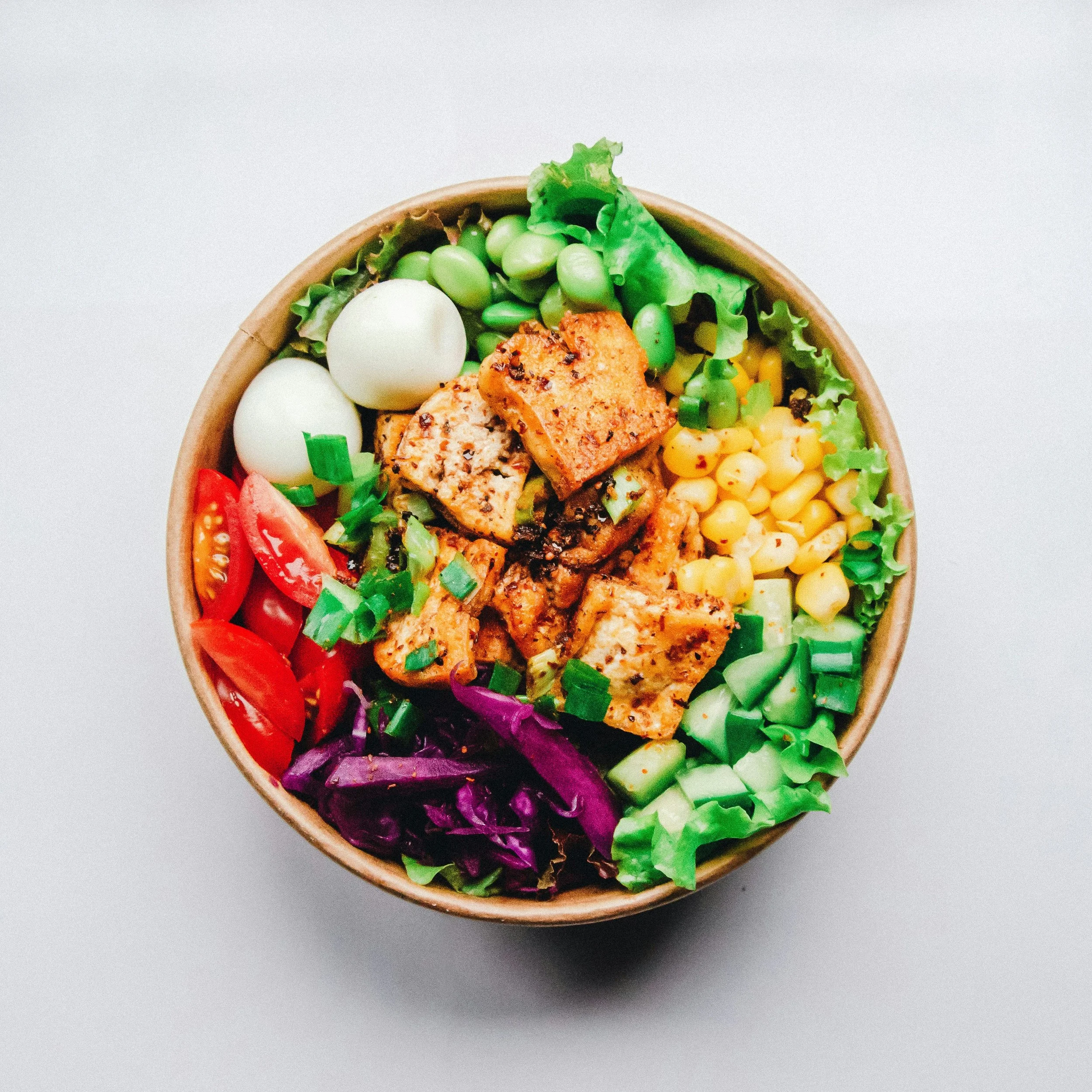
Build a balanced plate
You don’t need to overhaul your diet overnight. Small, consistent changes can make a real difference to your overall nutritional health.
A Mediterranean-style eating pattern is a great place to start. It focuses on vegetables, fruit, wholegrains, beans, lentils, nuts, olive oil and fish.
Try to include at every meal:
Plenty of fruit and vegetables: Aim for at least five portions a day. Fresh, frozen and tinned options all count.
Protein: Eggs, fish, chicken, red meat, yoghurt, cheese, tofu, beans and lentils help maintain muscle mass.
Fibre-rich carbohydrates: Oats, grains, wholemeal bread, rice and pulses support digestive health and help keep you satisfied.
Healthy fats: Olive oil, nuts, seeds and oily fish contribute to a balanced, heart-friendly diet.
You don’t have to get every meal perfect. Focus on what you can add to your diet rather than worrying about what you need to remove.
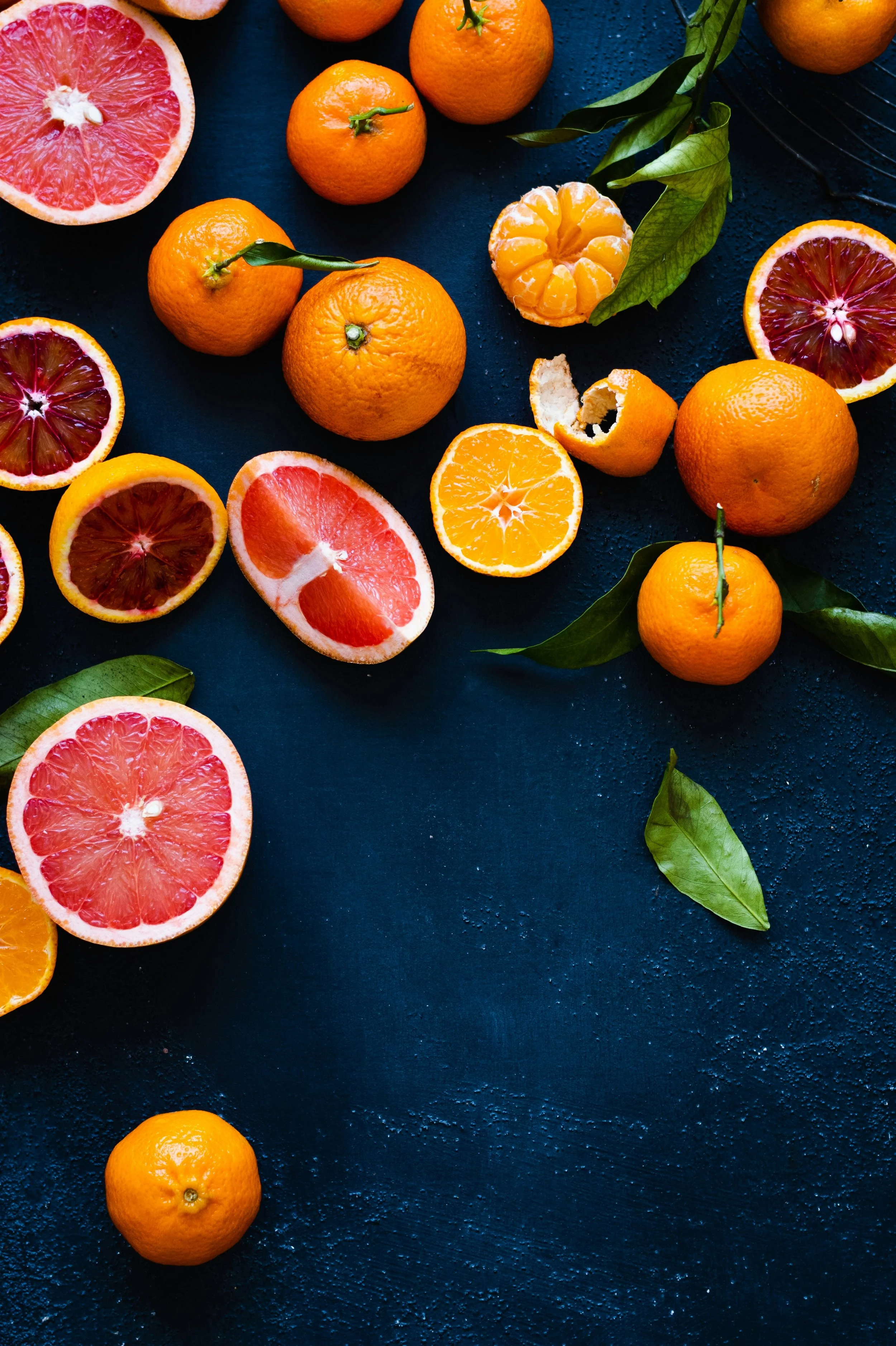
Look after your bones with calcium and vitamin D
Bone health becomes particularly important during menopause. As oestrogen levels fall, bone loss can accelerate, increasing the risk of osteoporosis in some women.
Calcium helps maintain strong bones and teeth. Good sources include milk, yoghurt, cheese, calcium-fortified plant-based drinks, calcium-set tofu and sardines eaten with their bones. The recommended calcium intake for UK adults is 700mg a day.
Vitamin D helps your body absorb calcium. The UK advises adults to consider taking a daily supplement containing 10 micrograms of vitamin D during autumn and winter. Some people may need it all year round.
If you avoid dairy, check that your plant-based alternatives are fortified with calcium. And if you’re concerned about your bone health, speak to us about your individual needs.
Menopause and weight changes: be kind to yourself
Many women notice changes in their weight or where they carry body fat during midlife. Hormonal changes, ageing, disrupted sleep and a gradual loss of muscle can all play a part.
It can be frustrating when the habits that worked for you in your 30s no longer seem to have the same effect. But it is important not to turn to crash diets or severe calorie restriction, which can leave you short of important nutrients and contribute to muscle loss longer term lower energy turnover.
Instead, focus on habits that support your health over the long term:
Eat regular, balanced meals that include protein and fibre.
Include vegetables and wholegrains to help you feel satisfied.
Find physical activities you enjoy, including strength-building exercise.
Prioritise sleep and give yourself time to rest.
Avoid putting pressure on yourself to make lots of changes at once.
Your health is about much more than a number on the scales.
Can food help with hot flushes and night sweats?
Some women find that alcohol, caffeine or spicy foods trigger hot flushes or night sweats, while others notice no connection at all.
Rather than cutting out several foods unnecessarily, try noticing how you feel after particular meals or drinks. A simple food and symptom diary can help you spot patterns.
If caffeine affects your sleep, try switching to decaffeinated drinks later in the day. If alcohol seems to worsen night sweats, reducing your intake may help.
It’s also important to remember that you don’t have to manage troublesome symptoms through diet alone. If hot flushes or night sweats are affecting your quality of life, our GPs can discuss treatments such as hormone replacement therapy (HRT), where appropriate.
What about soya foods?
You may have heard that soya can help with menopause symptoms. Soya beans, tofu, tempeh and soya drinks contain compounds called phytoestrogens, which have some similarities to oestrogen.
Some studies suggest that soya isoflavones may help reduce hot flushes in some women. Including soya foods as part of a balanced diet is a reasonable option for most people and a good way to diversify your protein intake.
Be cautious with concentrated phytoestrogen 'menopause supplements', as these are different from whole foods and may not be suitable for everyone. Ask your GP or pharmacist for advice before starting them, particularly if you take medication or have a history of hormone-sensitive cancer.
Don’t forget fluids, sleep and everyday habits
Nutrition is about more than what’s on your plate. Drinking enough fluids, getting regular movement and making time for rest can all support your wellbeing, healing, growth and repair.
Stay hydrated: Keep water nearby throughout the day, especially if you experience night sweats.
Be mindful of alcohol: It can affect sleep and may trigger symptoms including hot flushes and anxiety or mood symptoms in some women.
Find movement you enjoy: Walking, swimming, dancing and strength training can all contribute to your health and long term metabolic turnver.
Protect your sleep: If sleep problems persist, speak to your GP rather than assuming you simply have to put up with them.
Small changes that fit into your everyday life are often easier to maintain than a complete lifestyle overhaul.
When is it time to seek extra support?
You don’t have to navigate perimenopause, menopause or midlife on your own. If symptoms are affecting your daily life, or you’re concerned about weight or body shape changes, bone health, cholesterol or your general wellbeing, a conversation with one of our team can be a helpful first step.
At Wimbledon Medical Service, we can help you understand your symptoms, discuss appropriate treatment options and consider your wider health needs.
If you’re unsure where to start with nutrition, individual advice from a registered dietitian can also help you make realistic changes without unnecessary restrictions or conflicting diet rules.
Supporting your menopause journey at Wimbledon Medical Service
Whilst menopause is a natural stage of life, that doesn’t mean you have to struggle through it without support.
Eating well is not about being perfect. It’s about nourishing your body, protecting your long-term health and finding habits that work for you.
Whether you’re just beginning to notice changes or are well into menopause, small, positive steps can help you feel more confident about looking after yourself.
If you’d like support with menopause symptoms or your health during midlife, contact Wimbledon Medical Service to arrange a consultation.
References
NHS. Things you can do to help menopause and perimenopause symptoms.
British Dietetic Association. Menopause diet and nutrition.
British Nutrition Foundation. Nutrition and menopause.
Medical disclaimer: This article is intended for general information and does not replace individual medical advice, diagnosis or treatment. For personalised guidance, consult a qualified healthcare professional.