
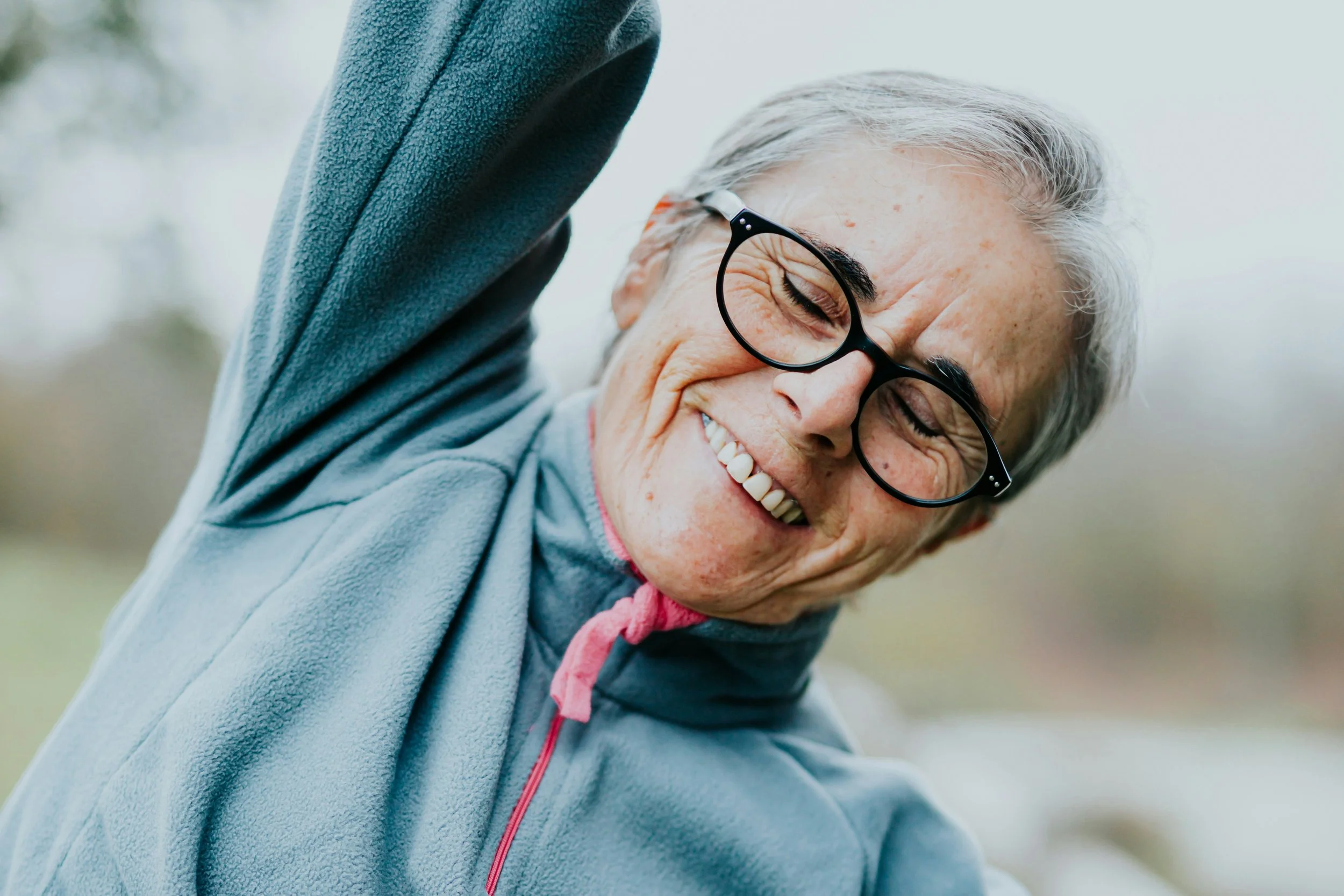
How good nutrition can support your energy, muscle strength, bone health and long-term wellbeing.
Ageing is a natural part of life, but the way we look after our bodies can have a significant influence on how well we age. While we cannot stop the ageing process, eating well and staying active can help us maintain strength, protect our health and preserve our independence for longer.
From our 50s onwards, nutritional needs can begin to change. Hormonal changes, particularly during menopause, changes in muscle mass and bone density, and the development of long-term health conditions can all influence what our bodies need.
The good news is that healthy ageing does not require a complicated diet. It is about making sustainable food choices that nourish your body and support your health in the years ahead.
As a dietitian, one of the most important messages I would share is that eating well as we age is not about eating less; it is about making the food we eat count.
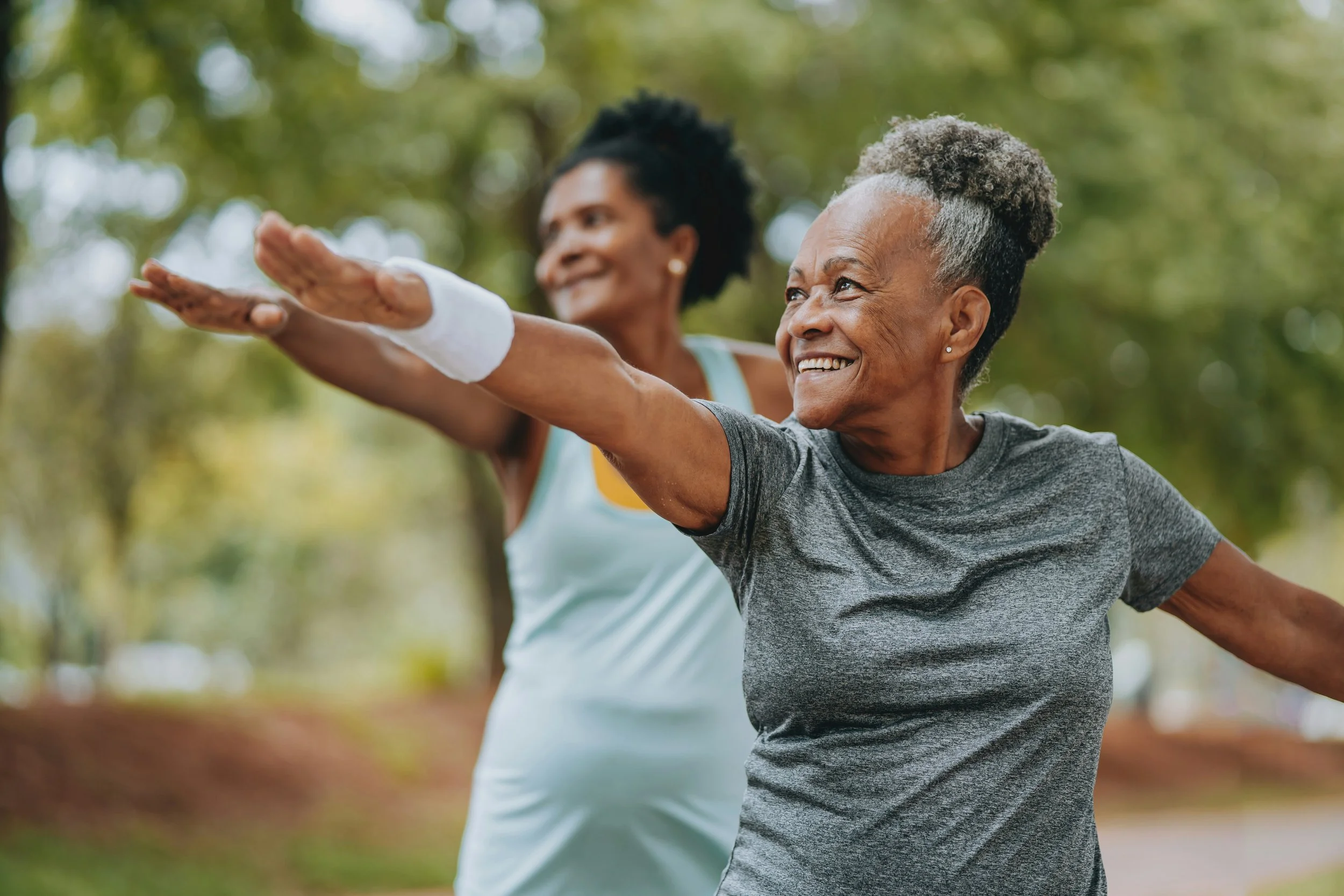
Prioritise protein to maintain muscle strength
As we get older, we naturally begin to lose muscle mass and strength. This process, known as sarcopenia, can accelerate with age, particularly if we are less physically active or do not eat enough protein.
Maintaining muscle is important for balance, mobility and independence, helping us continue everyday activities such as climbing stairs, carrying shopping and getting up from a chair.
Protein provides the building blocks needed to maintain and repair muscle tissue. Try to include a good source of protein at each meal.
Good sources include:
Eggs, fish, chicken and lean meat.
Milk, yoghurt and cheese.
Beans, lentils and chickpeas.
Tofu, soya products, nuts and seeds.
Combining adequate protein with regular resistance exercise, such as weight training, resistance bands or bodyweight exercises, is particularly beneficial for maintaining muscle strength.
Protect your bones with calcium and vitamin D
Bone health becomes increasingly important as we age. For women, declining oestrogen levels during and after menopause can accelerate bone loss and increase the risk of osteoporosis.
Two particularly important nutrients are calcium and vitamin D.
Calcium helps maintain strong bones. The recommended daily intake for adults in the UK is 700mg.
Good sources include milk, yoghurt, cheese, calcium-fortified plant-based milk alternatives, calcium-set tofu and sardines eaten with their bones.
Vitamin D helps the body absorb calcium and supports normal muscle function. UK government guidance recommends that everyone considers taking a daily supplement containing 10 micrograms (400 IU) of vitamin D during autumn and winter. Some people may need supplementation throughout the year.
If you have concerns about osteoporosis or bone health, speak to your GP about whether further assessment or personalised advice is appropriate.
Eat for heart health
Looking after cardiovascular health is increasingly important as we get older. A balanced diet can help support healthy cholesterol levels, blood pressure and blood glucose regulation.
A Mediterranean-style approach to eating is a good starting point. This includes plenty of vegetables, fruit, wholegrains, beans, lentils, nuts, seeds, olive oil and fish.
Simple ways to support heart health include:
Choosing wholegrain bread, brown rice and wholemeal pasta.
Including oily fish, such as salmon, sardines or mackerel.
Eating more beans, lentils and chickpeas.
Using olive or rapeseed oil in everyday cooking.
Limiting processed meats and foods high in salt and saturated fat.
The NHS Eatwell Guide recommends at least five portions of fruit and vegetables each day and two portions of fish per week, including one portion of oily fish.
Look after your gut and stay hydrated
Fibre supports digestive health, helps prevent constipation and feeds beneficial gut bacteria.
The UK recommendation for adults is around 30g of fibre daily. Good sources include oats, wholegrains, fruit, vegetables, beans, lentils, nuts and seeds.
Increase fibre gradually and remember to drink enough fluid alongside it.
Hydration is also important as our sense of thirst can become less reliable as we age. Dehydration can contribute to tiredness, headaches, dizziness and constipation.
As a general guide, aim for six to eight glasses of fluid each day. Water, milk, tea and coffee all contribute. People with conditions such as heart failure or kidney disease may have individual fluid requirements and should follow their healthcare team's advice.
Don't overlook vitamin B12
Vitamin B12 is essential for healthy red blood cell production and normal nervous system function.
It is naturally found in animal-derived foods, including meat, fish, eggs and dairy products. Fortified foods can also provide vitamin B12, which is particularly important for those following a vegan diet.
As we get older, our ability to absorb vitamin B12 can sometimes decrease. Certain medications and medical conditions can also affect absorption.
A deficiency can cause tiredness, anaemia, pins and needles and neurological symptoms. If you experience unexplained fatigue or changes in sensation, speak to your GP. A blood test may be appropriate.
Menopause, metabolism and changing nutritional needs
For women, the transition through perimenopause and menopause can bring changes in body composition, appetite, sleep and energy levels.
Declining oestrogen can contribute to reduced muscle mass and changes in fat distribution, particularly around the abdomen.
Rather than responding with restrictive diets or significantly reducing food intake, focus on:
Eating regular, balanced meals.
Including protein at each meal.
Choosing fibre-rich carbohydrates.
Including calcium-rich foods.
Maintaining regular physical activity, particularly resistance exercise.
Prioritising sleep and general wellbeing.
Good nutrition during and after menopause can help support bone health, muscle strength and cardiovascular wellbeing.
Healthy ageing isn't about dieting
One important consideration as we get older is ensuring we eat enough.
Appetite can decrease with age, and changes in taste, smell, dental health, medication, mobility or social circumstances can affect how much we eat.
Unintentional weight loss and inadequate nutritional intake can increase the risk of malnutrition, muscle loss, frailty and falls.
If you notice unexplained weight loss, a reduced appetite or difficulty eating enough, speak to your GP or a registered dietitian.
Healthy ageing is not simply about calories or body weight. Food should also provide enjoyment, nourishment and social connection.
Small changes that make a big difference
Healthy ageing does not require a complete lifestyle overhaul. A few consistent habits can make a meaningful difference:
Include protein at every meal.
Aim for at least five portions of fruit and vegetables each day.
Choose wholegrains more often.
Include calcium-rich foods daily.
Drink regularly throughout the day.
Include oily fish each week.
Combine cardiovascular activity with strength and balance exercises.
Avoid unnecessary restrictive diets and focus on nourishing your body.
How can a dietitian help?
Nutritional needs are individual, and general healthy eating advice may not be appropriate for everyone.
A registered dietitian can provide personalised advice if you have concerns about weight changes, menopause, osteoporosis, high cholesterol, type 2 diabetes, digestive health or nutritional deficiencies.
They can help you understand your nutritional requirements and develop a realistic eating plan that fits your lifestyle and supports your long-term health.
Final thoughts
Healthy ageing is about more than adding years to life; it is about maintaining the health, strength and independence that allow us to enjoy those years.
Eating a varied and balanced diet, including enough protein, fibre and calcium, staying hydrated and remaining physically active can all help support health as we get older.
It is never too late to make positive changes. Small steps today can help support your health and wellbeing for years to come.